




THE DEFINITION OF DIAPHRAGM WALL
A diaphragm wall is a type of reinforced concrete wall that is constructed in deep excavations to provide support and stability to the surrounding soil. It is typically formed by using a continuous series of panels, which are constructed in situ by excavating the soil and then pouring concrete into the created trench. Diaphragm walls are used to retain soil and groundwater, providing lateral support for excavations and forming a barrier against water ingress.
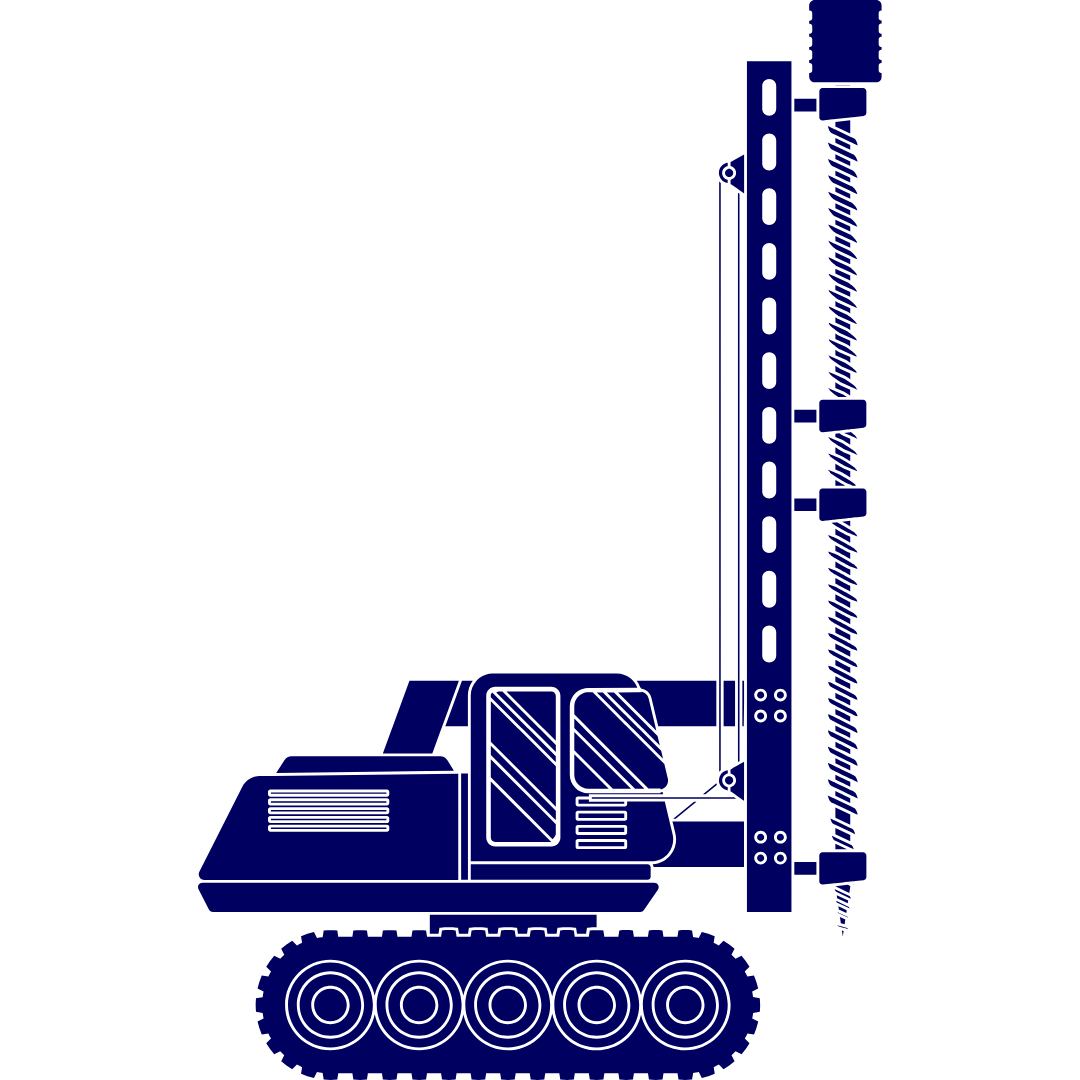
WORK METHOD
1. Site Preparation
Clear the site and set up necessary access roads, safety measures, and utilities.
2. Excavation
Use an appropriate excavation method (such as a hydraulic grab or trenching machine) to create a trench for the diaphragm wall. The depth and width depend on design requirements.

3. Polymer Slurry Application
Use polymer slurry to stabilize the trench walls and prevent water ingress during the construction process.
4. CWS with Rubber Water Stop Application
Position the rubber water stop correctly at the joint locations. Make sure it is properly secured without any folds or creases.

5. Rebar Cage Placement
After excavation, place the rebar cages into the trench according to the design specifications.
6. Concrete the panel
After lowering all the rebar cages, install the tremie pipes. Pour concrete into the trench to form the diaphragm wall. Ensure proper vibration and consolidation to avoid voids.

7. Curing and Backfilling
Allow the concrete to cure adequately to achieve the desired strength. After the diaphragm wall is constructed and cured, backfill any required areas.
THE ADVANTAGES OF DIAPHRAGM WALL
High Structural Integrity
Diaphragm walls provide robust lateral support and can withstand significant soil and water pressures.
Waterproofing
Effective in preventing water ingress, making them suitable for underground constructions.
Versatility
Can be used in a variety of soil conditions and can be adapted to different project requirements.
Space Efficiency
The vertical nature of diaphragm walls allows for optimal use of space in urban environments.
Reduced Ground Movement
Minimizes disturbance to surrounding soil and structures during installation.
APPLICATION DIAPHRAGM WALL
Deep Excavations in Limited Space
Commonly used to support deep excavations in urban areas where space is limited.
Basements and Underground Structures
Employed in the construction of basements, parking garages, and underground utilities.
Retention of Soil and Groundwater
Used to retain soil and control groundwater levels in various construction projects.
Tunneling Projects
Can serve as temporary or permanent support in tunneling applications.
Flood Protection
Utilized in flood defense structures to retain soil and water in vulnerable areas.